Without any doubt, Yorkshire can be proud of their county’s literature and writers. In this page, Yorkshire literature is provided chronologically, according to the century.
17th Century
The first known text in the Yorkshire dialect appeared in 17th century, when a poem called “A Yorkshire Dialogue between an Awd Wife, a Lass and a Butcher” was published by an unknown author.
AWD WIFE Pretha now lass, gang into t’hurn
An’ fetch me heame a skeel o’ burn.
Na pretha, barn, mak heeaste an’ gang,
I’s mar my deagh, thou stays sae lang.
LASS Why, Gom, I’s gea, bud for my pains
You’s gie me a frundel o’ your grains.
AWD WIFE My grains, my barn! Marry! Not I,
My draugh’s for t’gilts an’ gaits I’ t’sty.
Than, pretha, look I’ t’garth an’ see
What owsen I’ the stand-hecks be.
McArthur(1992) provides a translation of this poem:
[Prithee now, girl, go into the corner of the field / And fetch me home a bucket of water. / Now prithee, child, make haste and go, / I’ll spoil my dough, you stay so long. / Why, grandmother, I will go, but for my trouble, give me a handful of your malt-grain. / My malt-grain, my child! Mary! Not I, / My grain-refuse is for the sows and boars in the sty. / Then, prithee, look in the yard and see what oxen there are in the stalls.]” (ibid. 1992: 1143).
18th Century
In 18th century, two literature figures had made the most significant impact on Yorkshire literature.
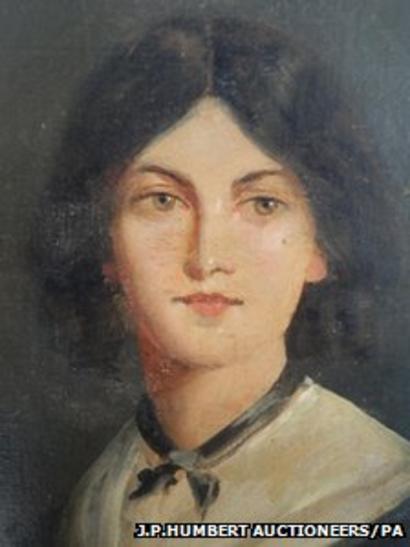
Emily Bronte
- Through her short lifetime, she wrote “one novel, a hundred-and-some poems and poetic fragments” (Hatfield 1995: xxi) as she died when she was only thirty (ibid. 1995: xxi).
- The novel titled ‘Wuthering Heights’ was written in Yorkshire dialect and as McArthur (1992) states, this novel is “perhaps the most famous representation of Yorkshire dialect in literature” (ibid. 1992: 1143).
- An extract from ‘Wuthering Heights’ in Yorkshire dialect:
“Yon lad gets wur an’ wur!… He’s left th’ yate ut t’full swing and miss’s pony has trodden dahn two rigs uh corn, un plottered through, raight o’r intuh t’meadow! Hahsomdiver, t’maister ull play t’divil to-morn, and he’ll do weel. He’s patience itsseln wi’ sich careless, offald craters—patience itsseln he is! Bud he’ll not be soa allus—yah’s see, all on ye! Yah mumn’t drive him out of his head for nowt!
[That boy gets worse and worse. . . . He’s left the gate wide open and the young lady’s pony has pressed down two ridges of corn and floundered through right over into the meadow! However, the master will play the devil tomorrow, and he will be right. He’s patience itself with such careless, awful creatures—patience itself he is! But he’ll not be so always—you’ll see, all of you! You mustn’t drive him off his head for nothing!]” (McArthur 1992: 1143).
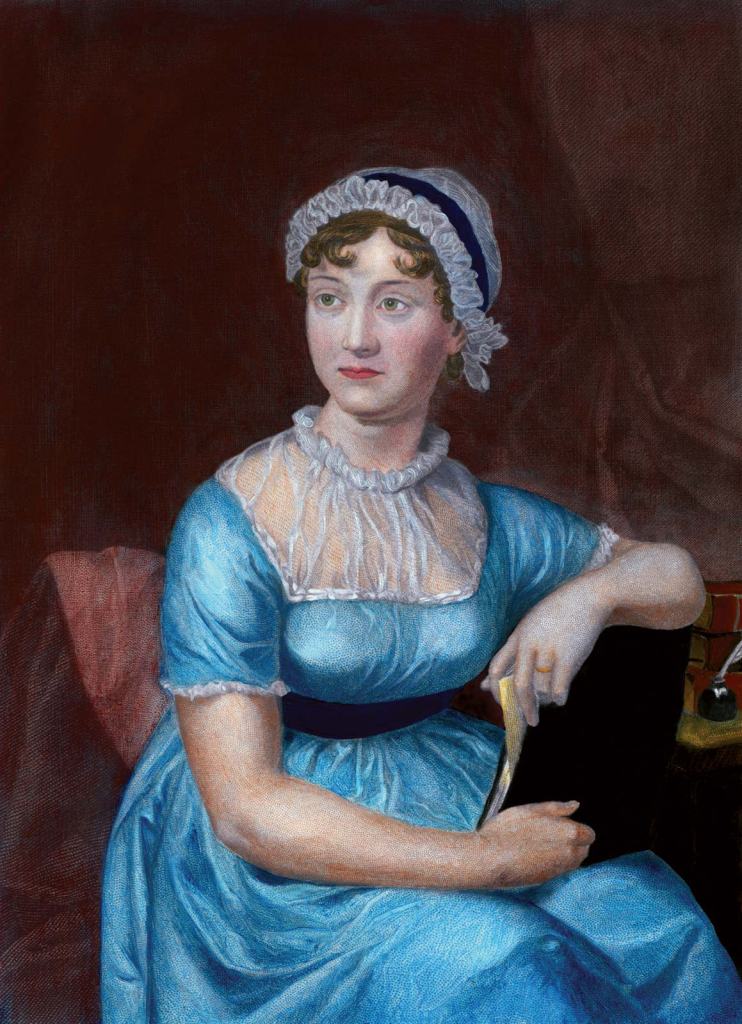
Jane Austen
- The most recognized novelist in Yorkshire and one of the most famous in Great Britain.
- Through her life, Jane Austen has published four novels: Sense and Sensibility (1811), Pride and Prejudice (1813), Mansfield Park (1814), and Emma (1815) and two of them, Persuasion and Northanger Abbey, were published after her death (Southam 2019).
- Scholars assume, that her books are still relevant and read even after more than 200 years after her death because Jane’s Austen literature is more relatable “to the modern world than to the traditions of the 18th century” (Southam 2019).
- Although Jane Austen used to write in Yorkshire dialect, her books are printed in Standard English and are available only in this form, some of her original manuscripts can be found.
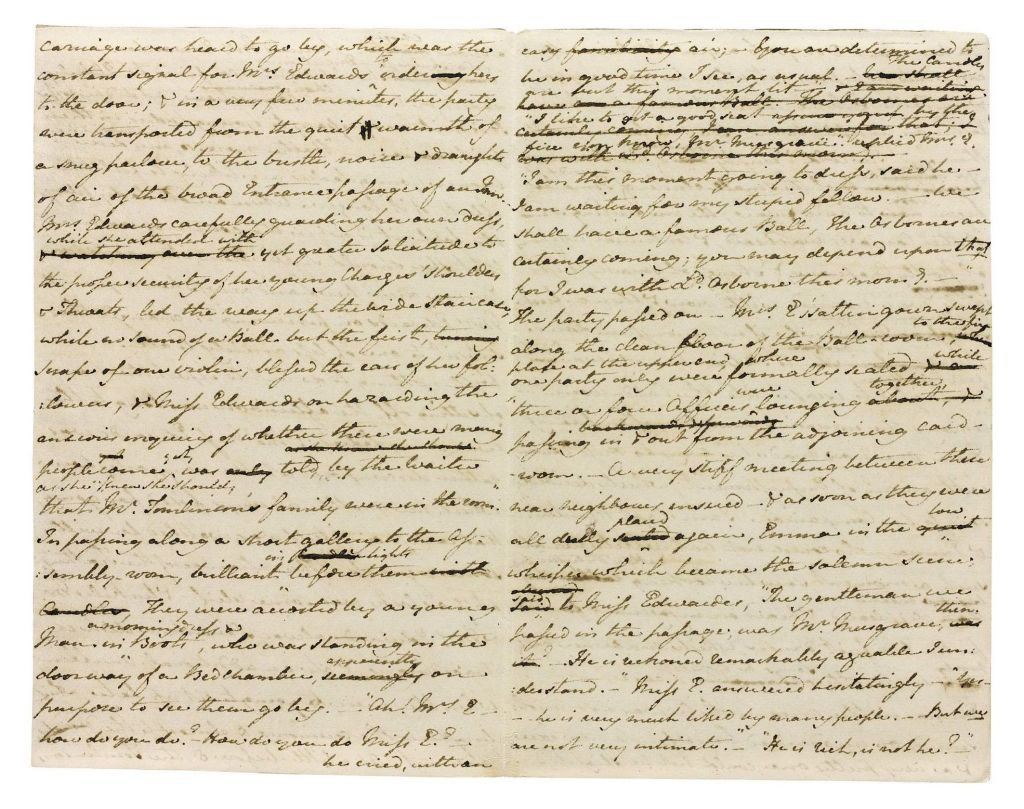
Jane Austen’s Manuscripts
19th and 20th Century
- In the 19th century, Yorkshire literary agents started to engage in poetry.
- There are three representatives of 19th and 20th century literature:
- Sir Ben Turner, who was Mayor of Batley and Minister of Mines for the first Labour government.
- Stanley Umpleby and Fred Brown.
- McArthur (1992) indicates, that “Umpleby’s writing is more rural, as in this stanza on the temptations for a country widow to remarry:
There’s yowes an’ lambs bleeatin’
A brawne i’ t’ga’th reeatin’
A wye cawf at’s freeatin’
What mud yan want mair? (from TWidda Weddiri) [There are ewes and lambs bleating A pig rooting in the paddock, A heifer calf that is pasturing, What more could anyone want?]” (ibid.1992: 1144).
 'Eh up! Yorkshire Dialect and Literature